
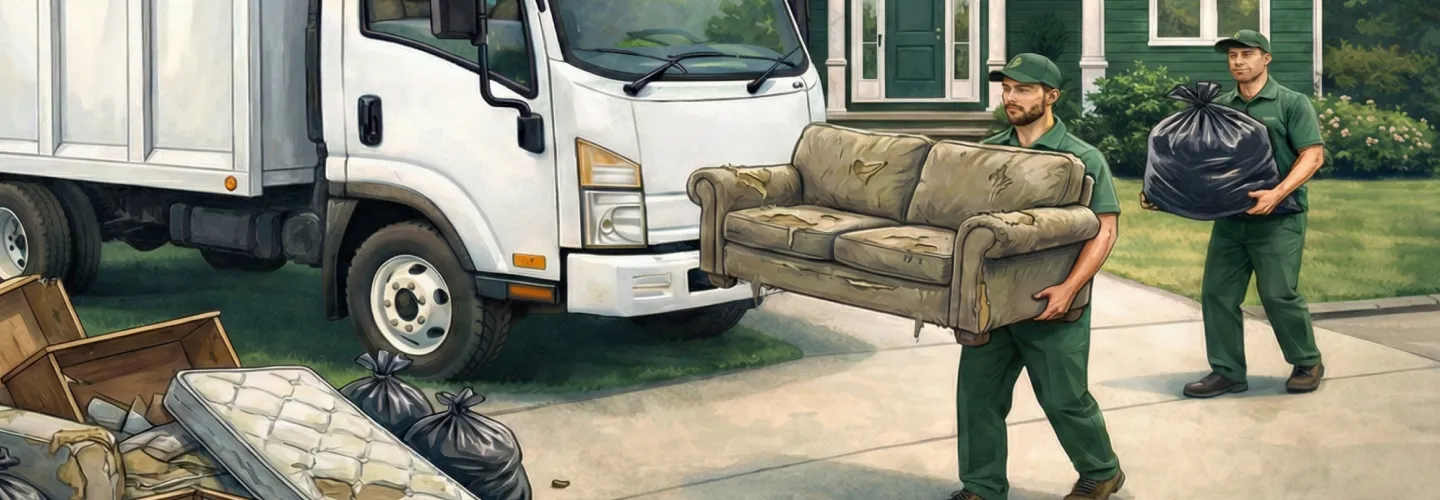
Canton Construction Waste Management Services
Choose our Construction Waste Management for reliable, eco-friendly solutions that keep your project sites clean, compliant, and on schedule—saving you time, money, and stress.
Get a Free QuoteOur Canton Junk Removal Services
Construction Waste Management in Canton, GA – Local Service Guide
Construction waste management in Canton, GA requires a tailored approach for both residential and commercial needs. In neighborhoods like Bridgemill and Great Sky, residents often need to dispose of bulky items—such as furniture, mattresses, or appliances—during seasonal cleanouts, renovations, or after major life events. Local weather, property access, and the size of items can impact logistics, especially for large sheds or hot tubs. For spaces like garages, basements, and yards, spring and fall cleanups are common, particularly in flood-prone areas or properties with heavy tree coverage. Commercial clients in downtown Canton or along Riverstone Parkway face unique challenges, from office remodels to restaurant upgrades, requiring discreet, timely removal and handling of higher waste volumes. Specialty services—like dumpsters for construction debris, estate cleanouts, or hoarding situations—demand careful planning, coordination, and compliance with local regulations. For all scenarios, understanding Canton’s disposal channels and city requirements is essential. For more on local rules and resources, visit the Canton Public Works Department.
Key Considerations for Construction Waste Management in Canton
- Timing cleanouts with local weather and seasonal events
- Securing necessary permits for large-scale disposal
- Using approved disposal and recycling channels
- Ensuring property access for removal vehicles
- Estimating waste volume for proper container sizing
- Coordinating with city services for specialty or high-volume projects
Benefits of Construction Waste Management in Canton
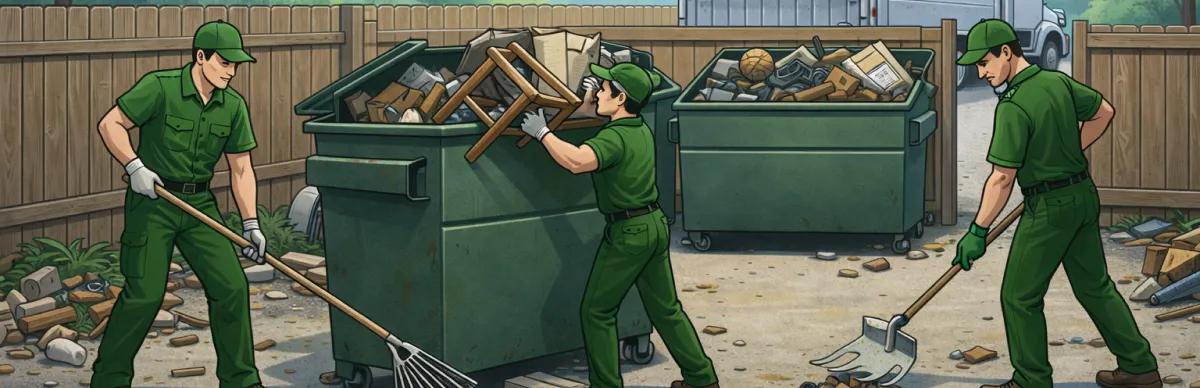
Efficient Debris Removal
Cost-Effective Waste Solutions
Environmentally Friendly Practices
Regulatory Compliance Assurance
Improved Site Safety
Flexible Scheduling Options
Coordinating Construction Debris Disposal with Canton's Building Safety Services Department
Construction and demolition projects in Canton, GA generate significant volumes of waste materials requiring proper disposal coordination. Before beginning any renovation or demolition work, property owners and contractors must obtain appropriate permits through Canton's Building Safety Services department. The permitting process ensures that waste management plans align with municipal requirements and that debris is handled in compliance with local codes.
- Building permits are required for all demolition and major renovation projects generating construction debris
- Plan review must include waste disposal methodology and hauler identification
- Inspections verify proper debris containment and site cleanliness throughout the project
- Construction sites must prevent debris from migrating onto adjacent properties or public rights-of-way
- Code violations may result from improper debris storage or unauthorized dumping on construction sites
Canton's Code Compliance department actively investigates complaints related to construction waste accumulation and improper disposal practices on residential and commercial properties.
Canton Building Safety Services
151 Elizabeth Street, Canton, GA 30114
Phone: (770) 704-1500
Official Website: Canton Building Safety Services
Georgia's Solid Waste Management Act and Construction Debris Regulations
Georgia regulates construction and demolition waste under the Georgia Comprehensive Solid Waste Management Act (O.C.G.A. § 12-8-20) administered by the Georgia Environmental Protection Division. This legislation establishes requirements for the handling, transport, and disposal of construction and demolition debris throughout the state, including Canton and Cherokee County.
- Construction and demolition (C&D) debris includes lumber, drywall, concrete, brick, roofing materials, metals, and packaging waste
- Georgia requires C&D waste to be disposed of at permitted solid waste handling facilities or designated inert waste landfills
- Inert waste such as concrete, brick, and asphalt may qualify for disposal at inert waste landfills with lower tipping fees
- Burning construction debris on-site is prohibited within Canton city limits without specific authorization
- Haulers transporting C&D waste must comply with Georgia's solid waste hauler registration requirements
- Asbestos-containing materials must be handled by licensed abatement contractors and disposed of at facilities permitted to accept regulated asbestos waste
Georgia Environmental Protection Division
2 Martin Luther King Jr. Drive SE, Suite 1456, Atlanta, GA 30334
Phone: (404) 656-4713
Official Website: Georgia Environmental Protection Division
Material Sorting and Separation Requirements for Canton Construction Projects
Proper sorting and separation of construction waste materials is essential for regulatory compliance and landfill diversion in Canton. Contractors and property owners should implement on-site separation practices to ensure recyclable and hazardous materials are directed to appropriate facilities rather than mixed into general waste streams.
- Metals (steel beams, copper wiring, aluminum flashing) should be separated for scrap metal recycling at licensed facilities in Cherokee County
- Concrete, brick, and masonry can often be processed at inert waste facilities or crushed for reuse as aggregate
- Untreated wood may be accepted at wood recycling or mulching operations; treated lumber requires separate disposal
- Drywall and gypsum board should be kept dry and separated, as some facilities accept clean drywall for recycling
- Roofing shingles (asphalt) may be recyclable at specialized processors for road paving applications
- Hazardous materials including lead paint debris, solvents, adhesives, and caulking compounds must be segregated and disposed of through Cherokee County's household hazardous waste collection events
Properties built before 1978 may contain lead-based paint, requiring compliance with the EPA Renovation, Repair, and Painting Rule during renovation and demolition activities.
Canton Stormwater Compliance and Pollution Prevention on Construction Sites
Construction waste management in Canton is closely tied to stormwater management and erosion control requirements. The City of Canton enforces stormwater regulations to prevent construction debris, sediment, and pollutants from entering local waterways, including the Etowah River watershed. All construction sites disturbing one acre or more must obtain coverage under Georgia's General Permit for Construction Activity.
- Erosion and sediment control plans must address debris containment and waste storage areas on construction sites
- Construction materials and waste must be stored away from storm drains, ditches, and waterways
- Washout areas for concrete trucks and equipment must be designated and contained to prevent runoff
- Spills of fuel, oil, paint, or solvents on construction sites require immediate cleanup and proper hazardous waste disposal
- Canton's stormwater management program conducts site inspections to verify compliance with pollution prevention measures
Failure to properly manage construction waste in relation to stormwater requirements may result in enforcement actions from both the City of Canton and the Georgia EPD.
Canton Public Works Department
151 Elizabeth Street, Canton, GA 30114
Phone: (770) 704-1500
Official Website: Canton Public Works Department
Safety and Hazardous Material Handling for Canton Demolition and Renovation Debris
Construction waste management in Canton requires adherence to federal and state safety standards, particularly when projects involve older structures that may contain hazardous materials. OSHA regulations govern worker safety on construction and demolition sites, and specific protocols apply to materials that pose health risks during removal and disposal.
- Asbestos surveys are recommended for buildings constructed before 1980; friable asbestos must be removed by Georgia-licensed abatement contractors before demolition
- Lead-based paint in pre-1978 structures requires lead-safe work practices; EPA-certified renovators must follow containment and cleanup procedures
- Workers handling construction debris must use appropriate personal protective equipment (PPE) including hard hats, steel-toed boots, gloves, and respiratory protection when dust or hazardous particles are present
- Silica dust from cutting concrete, brick, or stone requires compliance with OSHA's respirable crystalline silica standard (29 CFR 1926.1153)
- Electrical hazards, protruding nails, and unstable structures require site-specific safety planning before debris removal begins
Cherokee County Fire and Emergency Services should be contacted regarding fire safety compliance during demolition activities involving large structures.
Cherokee County Fire & Emergency Services
Phone: (678) 493-4000
Official Website: Cherokee County Fire & Emergency Services
What Neighborhoods Do We Serve Throughout Canton, GA?
- Downtown Canton Historic District: Older commercial and mixed-use buildings may contain asbestos and lead paint requiring specialized abatement before renovation debris removal. Narrow streetscapes and on-street parking may necessitate coordination with the city for temporary loading zones during construction waste hauling.
- Prominence Point and River Green: Newer residential developments with HOA regulations that may impose restrictions on construction debris storage, hauling schedules, and site cleanliness during renovation projects. Wide residential streets generally accommodate construction vehicle access.
- Bridgemill: Large planned community with established HOA covenants governing exterior modifications and construction activity. Renovation projects require advance HOA notification, and debris must be contained within property boundaries during active work.
- Canton Mills and Etowah River Corridor: Properties near the Etowah River require heightened stormwater compliance during construction. Debris storage must be positioned away from floodplain areas, and erosion controls are strictly enforced per Canton's stormwater management requirements.
- Hickory Flat Area: Semi-rural properties with longer driveways and varied terrain may present access challenges for construction waste hauling vehicles. Septic system locations should be identified before staging heavy equipment or debris containers.
- Great Sky and Harmony on the Lakes: Residential subdivisions with active construction and renovation activity. Community covenants typically regulate construction hours, debris management timelines, and approved hauler requirements for maintaining neighborhood standards.