
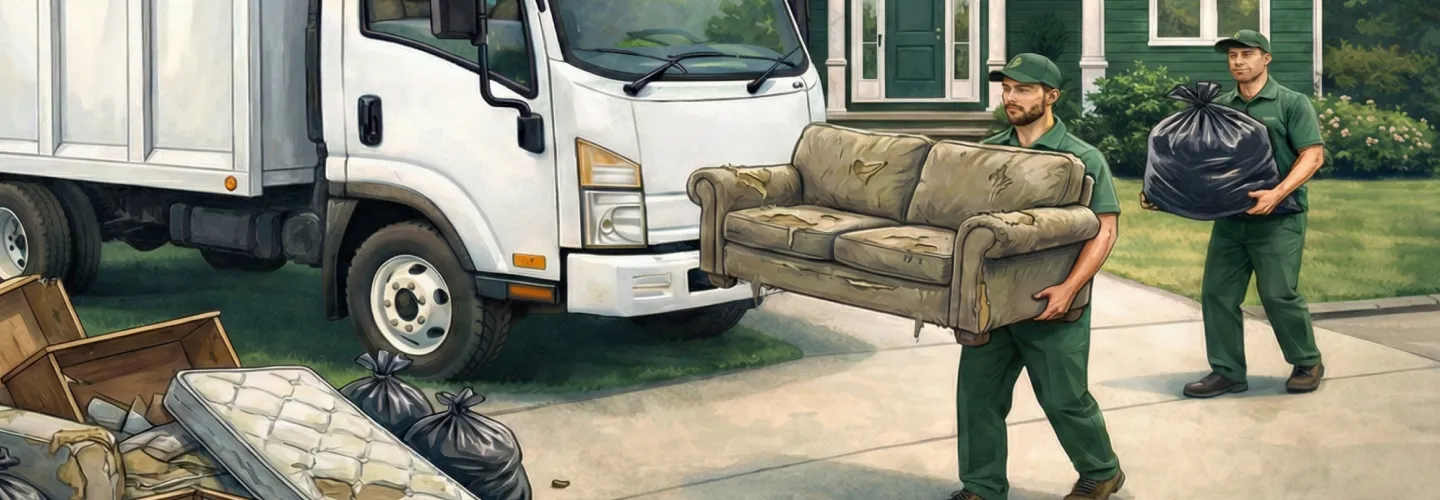
Canton Construction Debris Removal Services
Choose our construction debris removal for hassle-free, eco-friendly disposal and a spotless job site—so you can focus on building, not cleaning.
Get a Free QuoteOur Canton Junk Removal Services
Construction Debris Removal in Canton, GA – Local Service Guide
Construction debris removal in Canton, GA is essential for keeping homes, businesses, and job sites safe and compliant. In neighborhoods like Bridgemill and Great Sky, residents often need debris removal after renovations, storm damage, or seasonal cleanouts. For residential items such as old appliances, mattresses, or hot tubs, triggers include home upgrades, moving, or replacing worn-out items—especially during spring and fall. Local options include donation, recycling, or proper disposal, with logistics shaped by driveway access, weather, and item size. For residential spaces like garages, basements, and yards, cleanouts spike after storms or during yard maintenance cycles, particularly in flood-prone or tree-heavy areas. Commercial clients in downtown Canton or along Riverstone Parkway face industry-specific needs, such as discreet, timely removal for offices, restaurants, or construction sites, often requiring coordination to minimize business disruption. Specialty services—like dumpsters for large projects or estate cleanouts—demand advance planning and careful handling, especially for foreclosures or hoarding situations.
Benefits of Construction Debris Removal in Canton
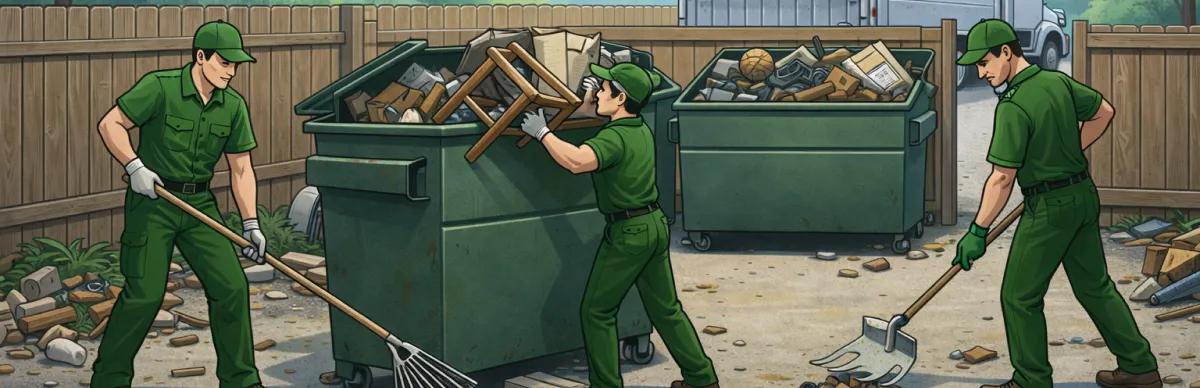
Fast and Reliable Cleanup
Safe Job Site Practices
Eco-Friendly Disposal Solutions
Cost-Effective Debris Removal
Experienced Local Professionals
Flexible Scheduling Options
Coordinating Construction Debris Removal with Canton's Building Safety Services Department
Construction and demolition projects in Canton, GA generate significant volumes of debris requiring proper disposal coordination through municipal channels. The Canton Building Safety Services department oversees permitting for renovation and demolition work, which directly governs how debris must be managed on-site and removed. Before initiating any construction debris removal, property owners and contractors should confirm the following requirements:
- Building permits must be obtained prior to demolition or major renovation work; debris removal plans may be reviewed during the permitting process
- On-site debris containment is required to prevent materials from migrating onto adjacent properties or public rights-of-way
- Demolition permits for structural work require documentation of waste handling procedures, including identification of hazardous materials such as asbestos or lead paint
- Inspection coordination may be necessary before debris removal to verify compliance with approved demolition or renovation scope
Canton Building Safety Services
151 Elizabeth Street, Canton, GA 30114
Phone: (770) 704-1500
Official Website: Canton Building Safety Services
Contractors should submit permit applications well in advance of project start dates, as review timelines vary based on project complexity and scope.
Georgia's Solid Waste Management Act and Construction Debris Disposal Requirements
Georgia regulates construction and demolition (C&D) waste under the Georgia Comprehensive Solid Waste Management Act (O.C.G.A. § 12-8-20), which establishes standards for the handling, transport, and disposal of construction debris statewide. The Georgia Environmental Protection Division (GA EPD) oversees permitting for solid waste facilities, including C&D landfills and processing operations that serve the Canton area. Key regulatory requirements include:
- Construction and demolition debris is classified separately from municipal solid waste and must be disposed of at facilities permitted to accept C&D materials
- Inert waste landfills may accept clean concrete, brick, block, and uncontaminated soil, but mixed C&D loads typically require permitted C&D landfills
- Manifest and tracking requirements apply to commercial haulers transporting construction debris; proper documentation of waste origin and destination must be maintained
- Illegal dumping of construction debris carries penalties including fines up to $50,000 per day per violation under Georgia law
- Asbestos-containing materials must be handled in accordance with both Georgia EPD regulations and federal EPA NESHAP standards prior to demolition or renovation
Property owners in Canton bear ultimate responsibility for ensuring debris from their projects reaches properly permitted disposal facilities.
Canton's Stormwater and Erosion Controls During Construction Debris Removal
Construction debris removal activities in Canton must comply with the city's stormwater management requirements to prevent sediment, pollutants, and construction materials from entering local waterways. The Canton Stormwater Management program enforces erosion and sedimentation controls that directly affect how debris is staged, loaded, and transported from job sites. Failure to implement proper controls can result in code violations and environmental penalties. Key stormwater compliance measures during debris removal include:
- Silt fencing and sediment barriers must remain in place around active debris staging areas until all materials are removed and the site is stabilized
- Debris loading zones should be positioned away from storm drains, ditches, and drainage swales to prevent runoff contamination
- Washout areas for concrete trucks and equipment must be contained; concrete slurry is prohibited from entering the stormwater system
- Dust suppression measures are required during dry conditions when loading or sorting loose construction materials such as drywall, masonry, or soil
Canton Code Compliance
151 Elizabeth Street, Canton, GA 30114
Phone: (770) 704-1500
Official Website: Canton Code Compliance
The Canton Engineering Department may also require a land disturbance permit for projects disturbing one acre or more, which includes erosion control plan approval before debris removal operations begin.
Material Sorting and Separation Requirements for Canton Construction Projects
Proper sorting of construction debris before disposal is essential for regulatory compliance and environmental stewardship. Cherokee County and the greater metro Atlanta region maintain specific expectations for how C&D materials are categorized and processed. Separating materials on-site reduces disposal costs and supports landfill diversion efforts. Construction debris should be sorted into the following categories:
- Clean concrete, brick, and masonry — eligible for recycling at inert waste processing facilities; must be free of rebar, wood, and other contaminants
- Untreated wood and lumber — may be accepted at wood recycling or mulching operations; pressure-treated wood requires separate disposal due to chemical treatment
- Metals (steel, copper, aluminum) — scrap metal recyclers accept structural steel, wiring, plumbing fixtures, and HVAC components; recycling diverts significant weight from landfills
- Drywall and gypsum board — some facilities accept clean drywall for recycling; contaminated or painted drywall may require C&D landfill disposal
- Roofing materials (asphalt shingles) — shingle recycling programs exist in the metro Atlanta area, converting materials into road base or asphalt products
- Hazardous materials (lead paint, asbestos, chemical containers) — must be identified, tested, and removed by licensed professionals before general debris removal begins
Buildings constructed before 1978 in Canton may contain lead-based paint, requiring compliance with the EPA Renovation, Repair, and Painting Rule. Certified renovators must follow lead-safe work practices during demolition and debris handling.
Safety and OSHA Compliance for Construction Debris Handling in Canton
Construction debris removal presents significant safety hazards requiring adherence to federal Occupational Safety and Health Administration (OSHA) standards and Georgia workplace safety regulations. Workers handling demolition materials face risks from sharp objects, heavy loads, airborne particulates, and potential exposure to hazardous substances. Essential safety requirements for construction debris removal operations include:
- Personal protective equipment (PPE) — hard hats, steel-toed boots, cut-resistant gloves, safety glasses, and respiratory protection are required based on site conditions and material types
- Asbestos awareness training is required for workers who may encounter asbestos-containing materials in pre-1980 structures; licensed abatement contractors must perform removal
- Silica dust exposure controls apply when cutting, grinding, or disturbing concrete, brick, or stone materials per OSHA's respirable crystalline silica standard (29 CFR 1926.1153)
- Fall protection is mandatory when removing debris from elevated areas, rooftops, or multi-story structures exceeding six feet in height
- Heavy equipment operation — only trained and authorized personnel may operate skid steers, excavators, or other machinery used in debris loading
Cherokee County Fire & Emergency Services
Phone: (678) 493-4000
Official Website: Cherokee County Fire & Emergency Services
Fire and emergency services should be notified when demolition activities involve structural collapse risks or when hazardous materials are identified on-site.
What Neighborhoods Do We Serve Throughout Canton, GA?
- Downtown Canton Historic District: Older commercial and residential structures along Main Street may contain lead paint and asbestos, requiring pre-demolition surveys. Narrow lot lines and limited staging areas present logistical challenges for debris loading and truck access.
- Prominence Point and River Green: Newer residential developments with wider streets and accessible driveways facilitate efficient debris removal from renovation projects. HOA guidelines may govern debris staging locations and removal schedules on private property.
- Hickory Flat Area: A mix of established single-family homes and newer subdivisions along Hickory Flat Highway. Properties with longer driveways and rural-adjacent lots may require equipment access planning for larger demolition projects.
- Etowah River Corridor: Properties near the Etowah River are subject to additional environmental protections, including riparian buffer requirements that restrict debris staging near waterways. Erosion controls are strictly enforced in this area.
- Canton Highway 20 Commercial Corridor: Commercial renovation and tenant buildout projects generate high volumes of construction debris. Business owners must coordinate removal schedules to avoid disrupting adjacent operations and comply with Canton's zoning and land use requirements.
- Bridgemill and Harmony on the Lakes: Large planned communities with active renovation activity. Community covenants may impose restrictions on debris container placement, work hours, and hauler access through gated entries.